
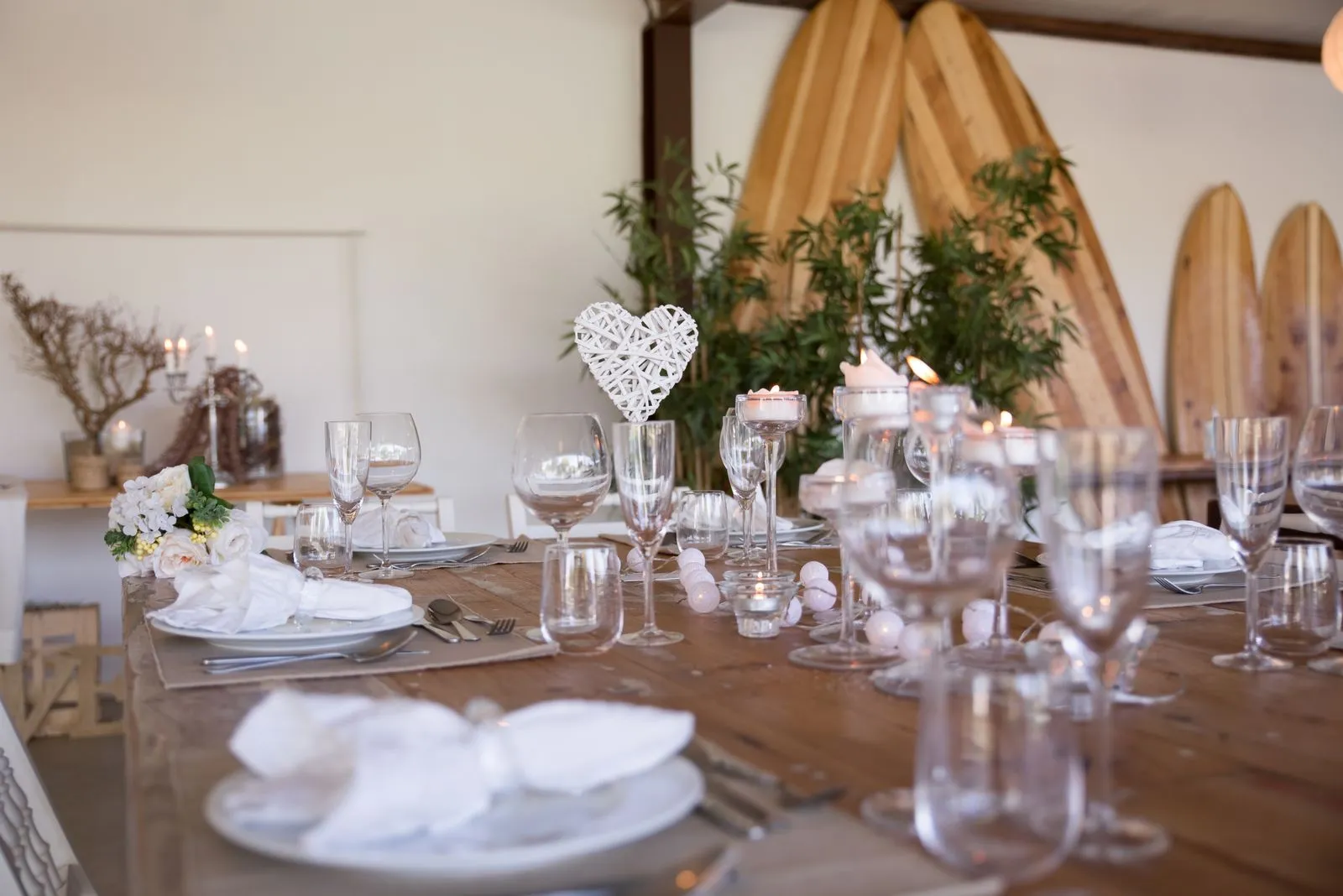
A small guest list can make a wedding feel personal and easy to navigate, but the day still needs a thoughtful schedule. Photos, meals, and transitions take time—even when there are only a few guests. A well-planned micro wedding timeline gives each part of the celebration room to unfold without making the day feel overbooked. Start with the moments that matter most to you, then add realistic buffers so you can be present with your guests instead of watching the clock.
Start With Your Priorities
Before assigning times, list the moments you want to protect: a first look, a private vow exchange, family portraits, a relaxed meal, or time to greet every guest. Put those priorities on the schedule first. This helps you avoid filling the day with traditions you do not want and makes it easier to see where the celebration needs more breathing room.
Work backward from fixed details such as the ceremony start, venue access, sunset, or a meal reservation. Confirm timing with your venue and vendors before sharing a final schedule. If you are planning in Hoboken, account for travel between locations, parking, elevators, and any building access requirements; a short distance on a map can still take time on the day.
Give Photos Realistic Space
Ask your photographer to estimate the time needed for the portraits you want. Group photos can move quickly with a prepared list and one person who knows the guests and can help gather them. Couple portraits may need more time if you want to visit a second location or wait for a particular light. Avoid scheduling every photo immediately after the ceremony if you would rather join your guests.
Consider taking some portraits before the ceremony, especially if you want to spend more of the reception with everyone. Build in a few minutes to touch up, drink water, and move between photo spots. Keep the photo list focused, and share names or family groupings with your photographer in advance so the session does not turn into a series of last-minute decisions.
Protect Time for Dining
A smaller reception can feel more conversational, but food service still follows a sequence. Check with the caterer or restaurant about how long each course, toast, and service transition usually takes. Schedule speeches before a course or between courses only after confirming the plan with the service team. That coordination helps guests enjoy their meal without repeated interruptions.
Leave open time around the meal for conversation rather than packing the schedule with activities. If guests will move from cocktails to dinner or from the ceremony space to another room, include time for that walk and for anyone who may need assistance. Share dietary needs and seating details with the venue early, and decide who will handle questions on the day so you can stay focused on your guests.
Build In Gentle Buffers
Add small cushions between key events instead of scheduling one activity directly after another. A few unassigned minutes can absorb a late arrival, a longer toast, or a quick change of plans. It also gives you space for meaningful moments that are hard to predict, such as greeting a relative or taking a quiet pause together. Treat buffer time as part of the plan, not as wasted time.
Create a simple day-of schedule with the start time, location, person responsible, and next step for each event. Share the relevant version with vendors and anyone helping, but do not ask one guest to manage every detail. Choose a coordinator or trusted point person to answer logistics questions. Little City Weddings can help couples shape a schedule around the size and feel of their celebration.
A relaxed small-wedding timeline balances structure with room to be present. Prioritize the moments you care about, confirm timing with your vendors, and leave space for meals, travel, and the unexpected. Once the schedule feels workable, share it with your team and let yourself enjoy the day. For help planning a micro wedding in Hoboken, reach out to Little City Weddings.